

Structuring your website homepage: what to put where (and why it matters)
In a world where attention is scattered and algorithms shift overnight, your website remains the one place where you control the narrative.
Social media gets you seen. Your website gets you chosen.
For growing organisations with expertise to share and a story worth telling, this distinction matters. Your homepage isn’t decoration – it’s a strategic asset. It shapes how people understand what you do, why it matters, and whether they trust you enough to take the next step.
Why your homepage matters
Think about how your customers decide to work with you. It’s rarely a straight line. There’s a lot of quiet thinking before anyone picks up the phone or clicks to buy.
A LinkedIn post might spark interest. A conference talk might create momentum. But when someone is seriously considering working with you, they will always look for your website to research the detail.
They want to understand your value, your credibility, your approach, and whether you’re aligned with their needs. That decision-making process takes place on your website, where the distractions are removed and the information available is focused.
Your homepage is where that thinking begins.
Your website homepage is your virtual shopfront
A strong homepage does three things:
Signals who you are and who you serve
Shows the outcomes you deliver
Guides people confidently to the next step
Most organisations fall into one of two traps:
Trying to say everything, leaving visitors overwhelmed
Saying almost nothing, leaving visitors unsure whether you’re relevant
Your homepage isn’t there to explain every detail. It’s there to orient, reassure and direct.
Not all visitors think the same
Not everyone arrives with the same mindset. Some are ready to act, others are quietly evaluating. Some want the big picture, others want the detail.
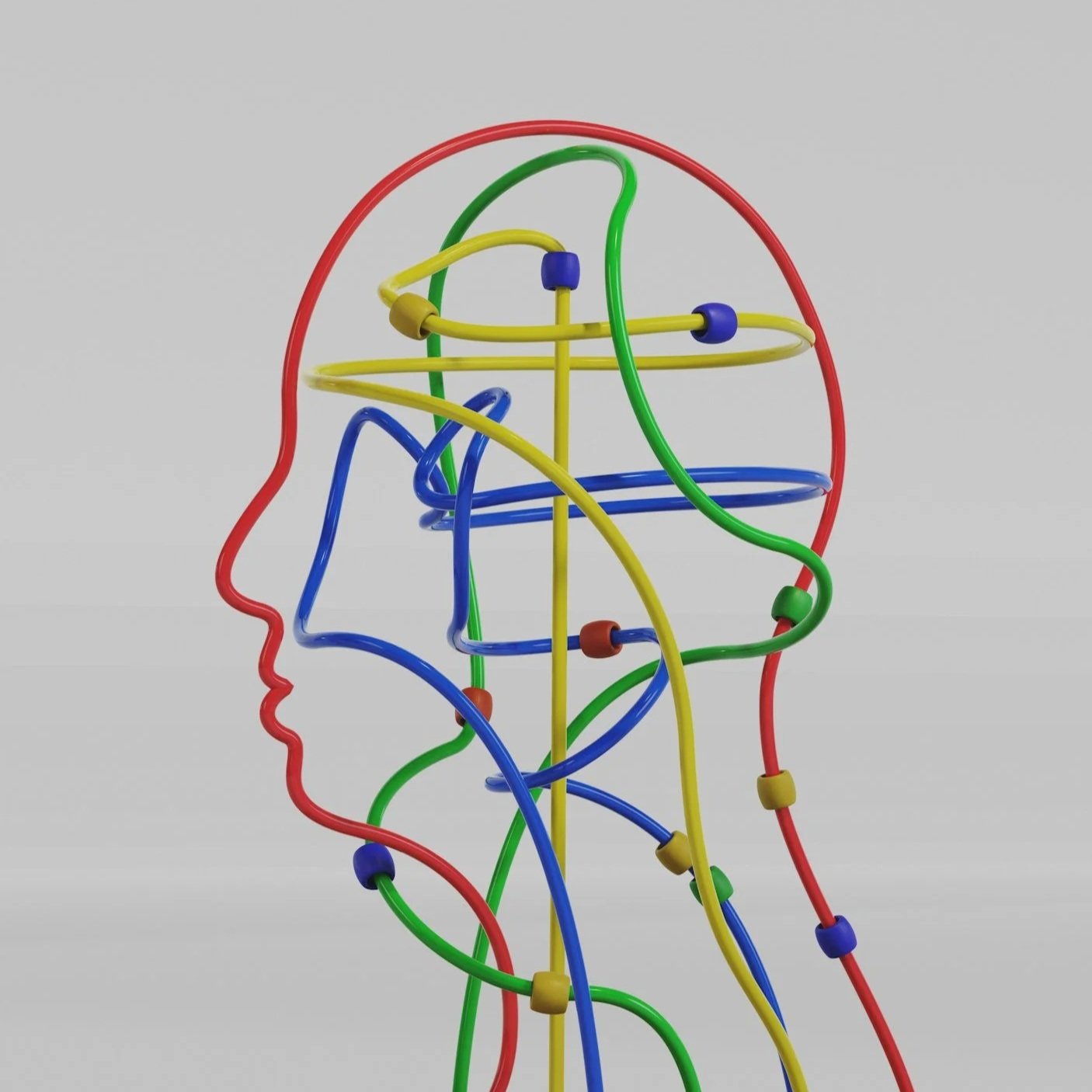
A useful tool for thinking about how to structure this is the DISC model. It’s usually used in team dynamics and leadership development, and translates well to marketing too. It groups people into four broad personality types, each making decisions (including whether to work with you) in different ways.
This doesn’t mean redesigning your homepage four times. It simply means placing the right information in the right place so whoever arrives can find what they need.
D = Dominant (red)
Direct, decisive, results-oriented.
They scan rather than read. Give them confident headlines, clear outcomes and an obvious next step right at the top of the page.
I = Influential (yellow)
Enthusiastic, people-focused, emotionally led.
They want to feel a connection before they commit. Warm tone, real faces and strong storytelling speak loudest to them.
S = Steady (green)
Patient, loyal, risk-averse.
They're looking for reassurance. Testimonials, case studies and clear explanations of your process give them the quiet confidence they need, as does a low-pressure way to get in touch.
C = Conscientious (blue)
Analytical, detail-driven, quality-focused.
They will read everything. Logical structure, demonstrable expertise and specific credentials help them feel convinced.
Now you know who you’re writing for, but what should actually go on the page?
Five elements every homepage needs
A hero message that grabs attention
First impressions happen fast. In just a couple of lines, you want your visitors to feel seen. Red visitors will make up their minds right here. Show you know who they are, what they’re struggling with, and why you might be the right person to help.
Use their words, not yours. The phrases clients use in real conversations will form the strongest connection. Pair your main line with a simple subheading that touches a real pain point or hope, then give just enough of a promise to make them want to keep reading.
A simple summary of your core offerings
Keep it short and focused on outcomes. Two or three sentences per service or product is plenty.
Instead of describing the detail of what you do, show people what they walk away with: clarity, confidence, momentum, whatever the transformation honestly is.
A quick ‘this is for you if…’ helps the right visitors recognise themselves instantly and reassures your green readers they’re in safe hands. Save the detail for your service pages; your homepage is about orientation, not overwhelm.
A human introduction
People buy from people. Show them one. This matters especially for your yellow visitors who want to feel connection before they commit.
Share the parts of your experience that matter to your ideal client and frame everything around what it means for them: not ‘we have fifteen years in the industry’ but ‘fifteen years means we’ve seen the problems you’re facing before, and we know exactly how to help.”
Social proof with juicy specifics
The right quote in the right place can tip a green browser into a confident enquirer. Choose testimonials that highlight a specific outcome: 'She was wonderful to work with' is nice, but 'Within six weeks I had a clear strategy, three new clients and the confidence to charge what I'm worth' is convincing.
Your blue visitors will be looking for credentials, associations, media mentions and hard numbers too, so add those if you have them.
Clear next steps
Don’t make people hunt for what to do next. Your main call to action should appear before anyone scrolls, then again wherever it naturally fits.
Not everyone arrives ready to commit. Offer a softer next step too - something that keeps the curious-but-not-quite-ready reader in your world. And make your contact details easy to spot; no one should have to squint at a tiny footer to figure out how to reach you.
Ready to strengthen your homepage?
A homepage that does all of this well isn't complicated. It's clear. It says the right things to the right people and makes the next step obvious.
If yours isn't doing that yet (or you're starting from scratch and want to get it right first time) book in a chat and I’ll help you shape the structure, sharpen the message and turn your site into a tool that supports your goals.